
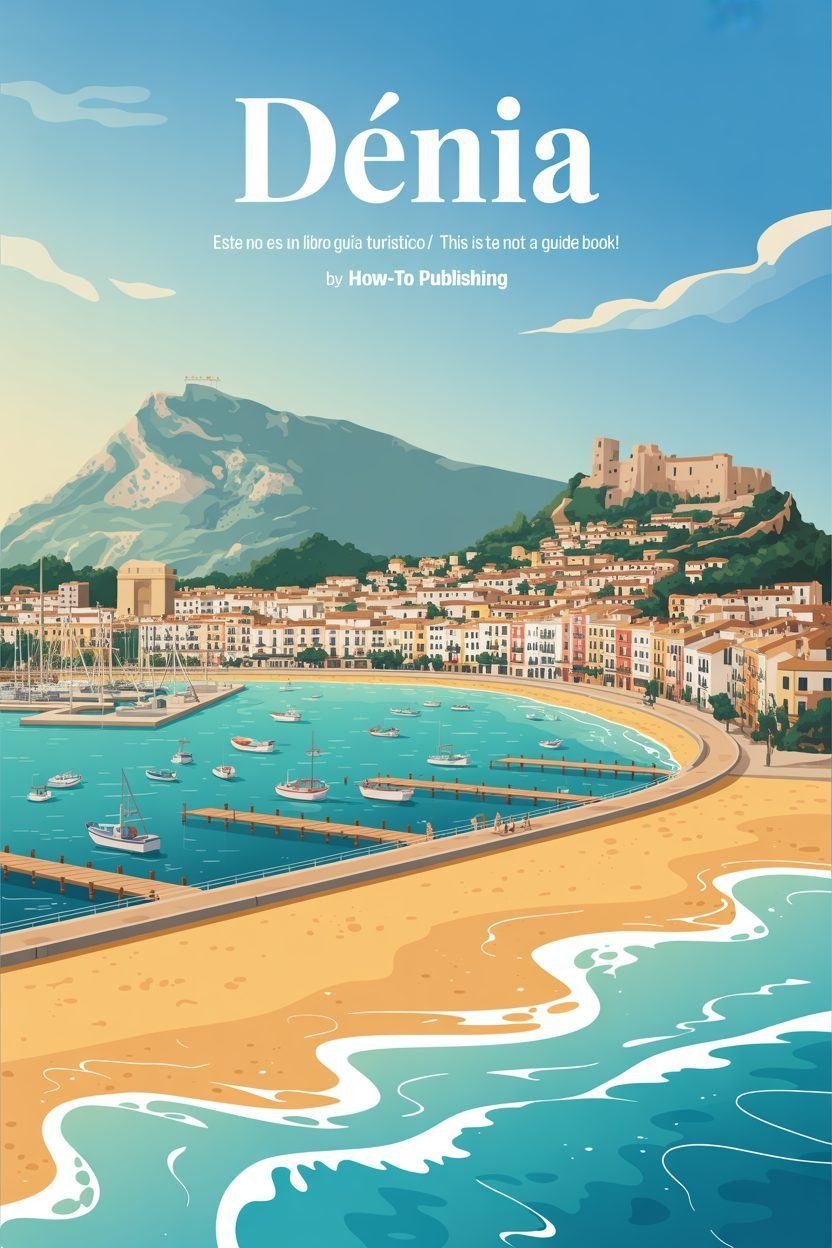
Living in Dénia: a practical guide for newcomers
For people moving here, spending the winter or buying a second home: who lives in Dénia, how the neighbourhoods differ, and the practical guides you will need.
Who lives in Dénia
Dénia is a real working town of around 47,000 registered residents, not just a summer resort.
Only about a third of the people registered here were born in Dénia. The rest came from elsewhere in Spain or from abroad, so newcomers are the norm rather than the exception. In July and August the town fills with holidaymakers and second-home owners, and the population rises several times over. From October to May it returns to its local rhythm: quieter beaches, easy parking, cafés full of residents, and markets where stallholders know your name.
The town council has an International Relations department that helps foreign residents and runs free language-exchange meetings with the local language school and expat associations. It is a good first contact after you arrive.
Neighbourhoods at a glance
Where you live in Dénia shapes your daily life more than almost anything else. A quick guide to the main areas:
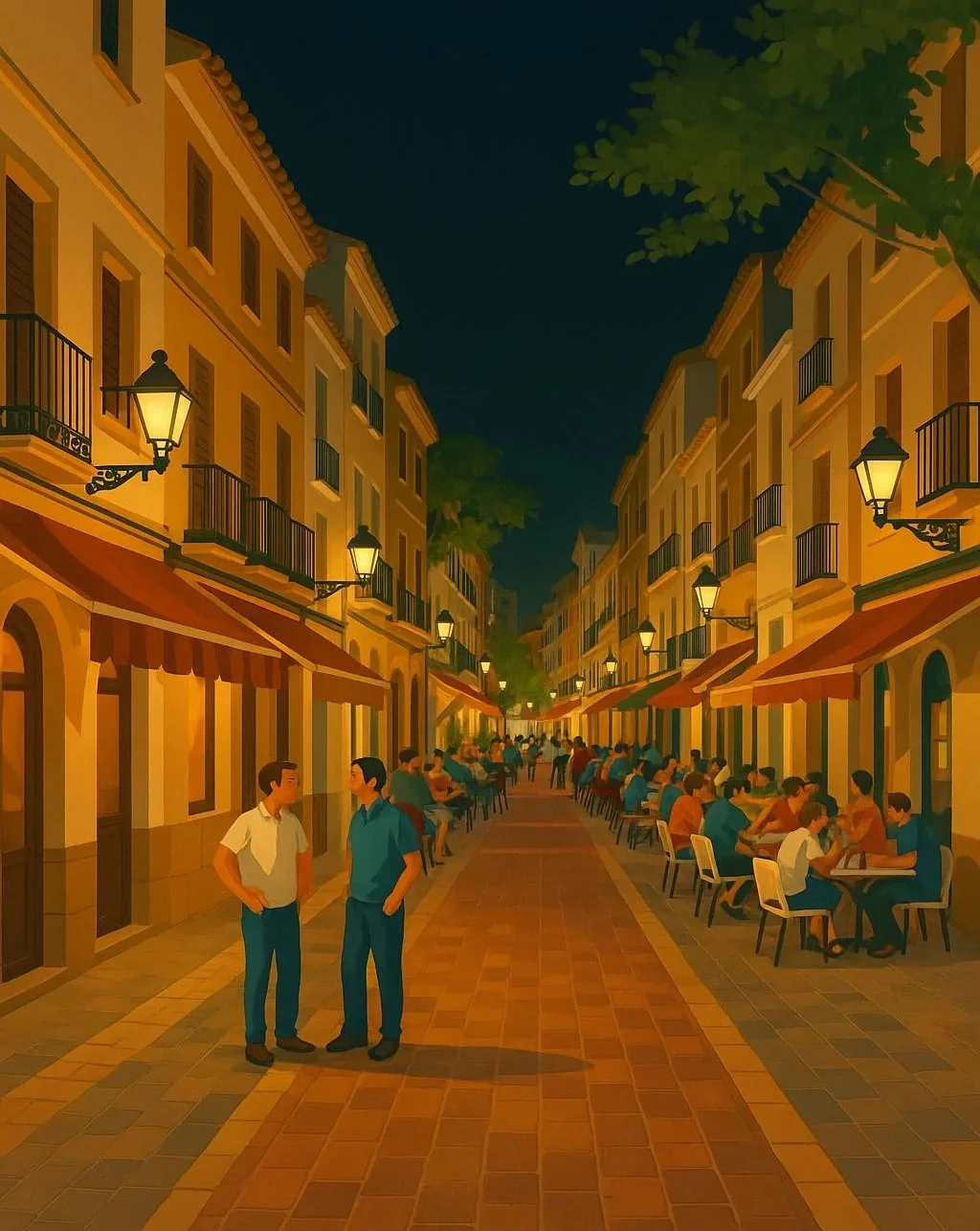
Old Town and the castle
Narrow streets below the castle, townhouses and flats, restaurants on Calle Loreto. Lively, walkable, little parking.
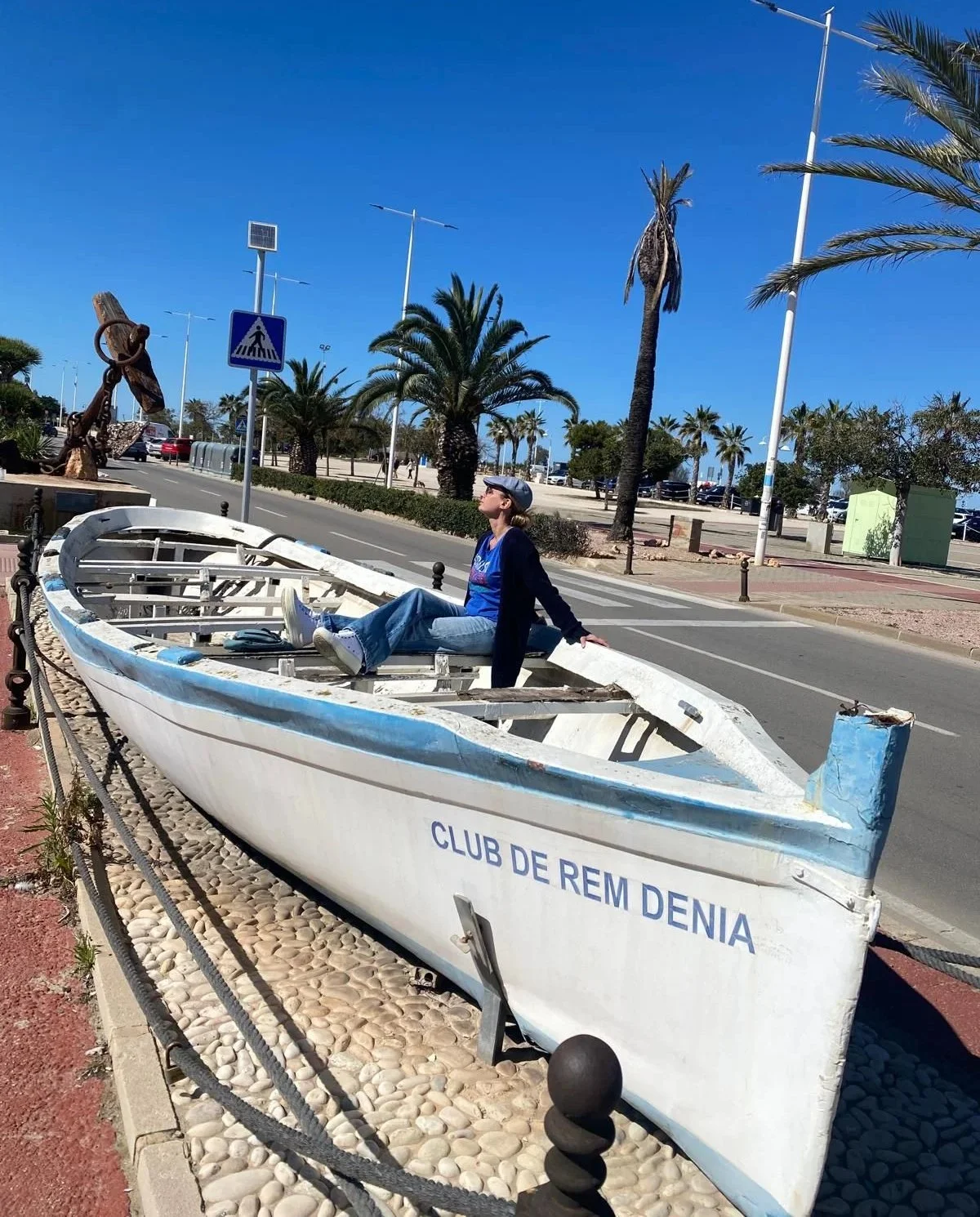
Baix la Mar and the port
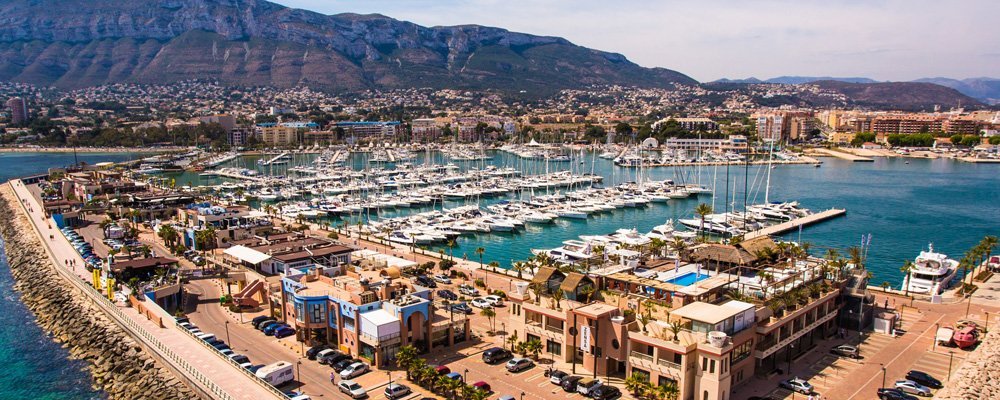
The old fishermen’s quarter by the harbour: low colourful houses, tapas bars and the ferry port next door.
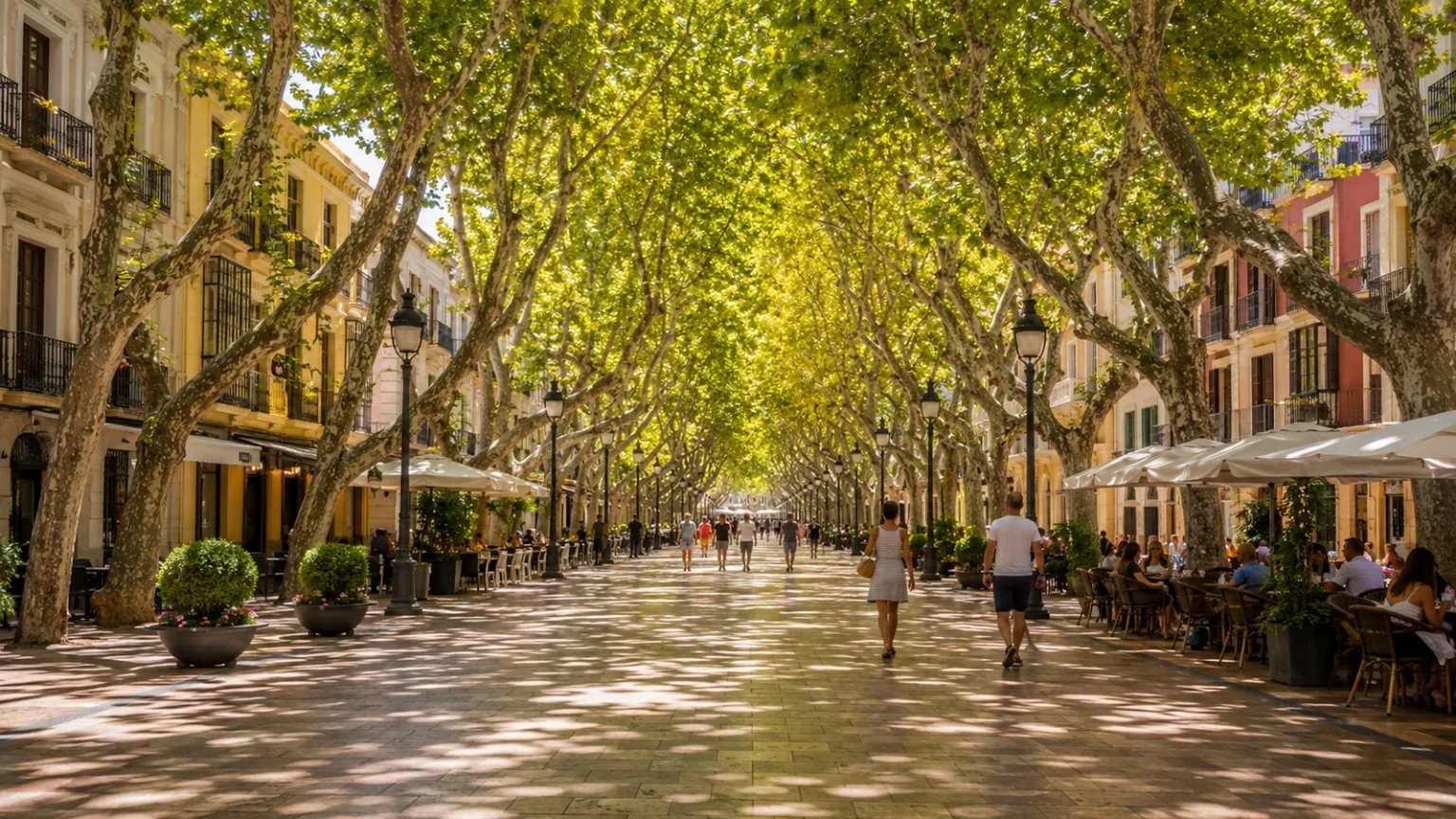
The centre and Marqués de Campo
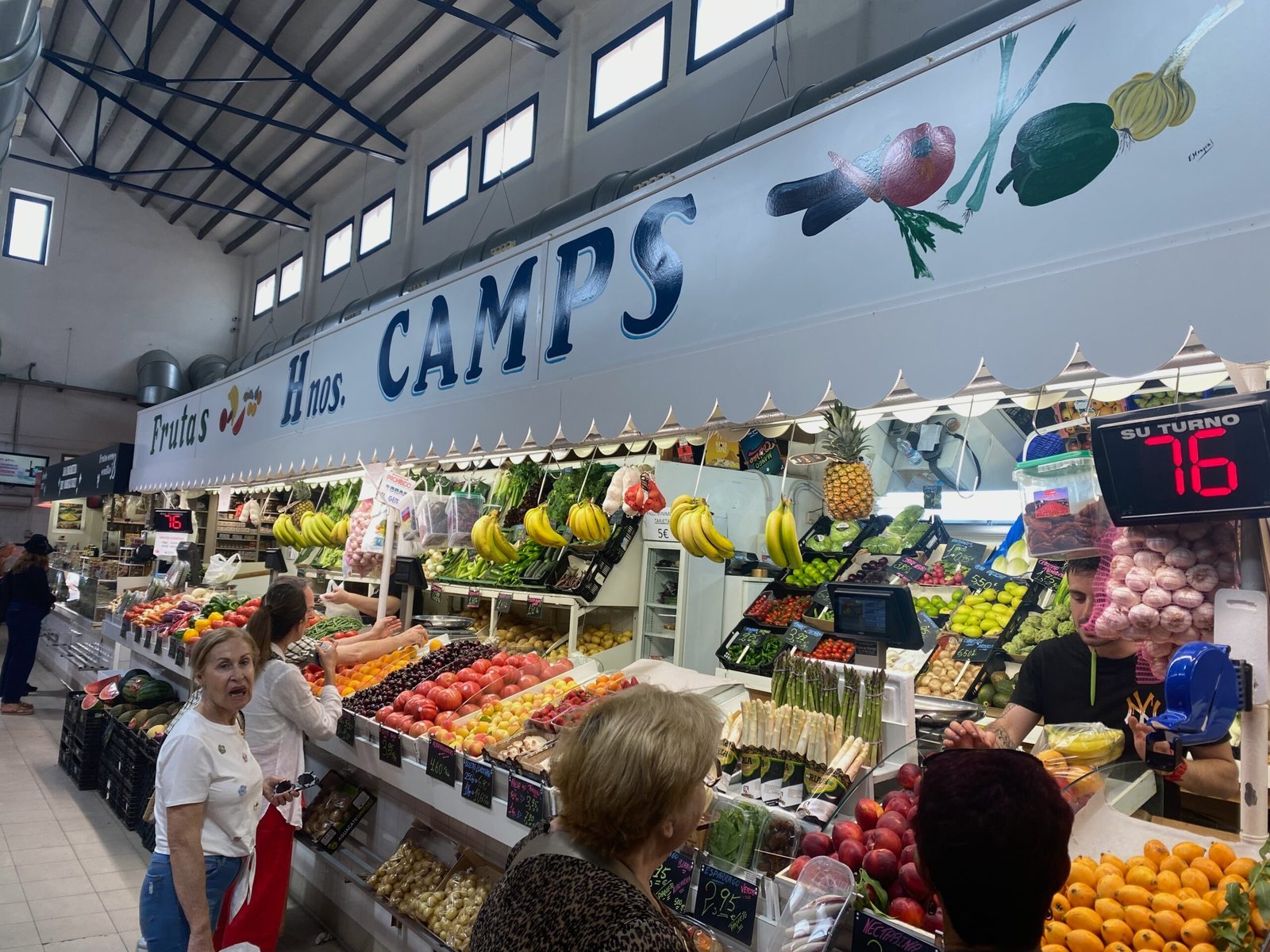
Apartments around the main boulevard, shops, banks and the Mercat Municipal within a few minutes’ walk. Everything without a car.
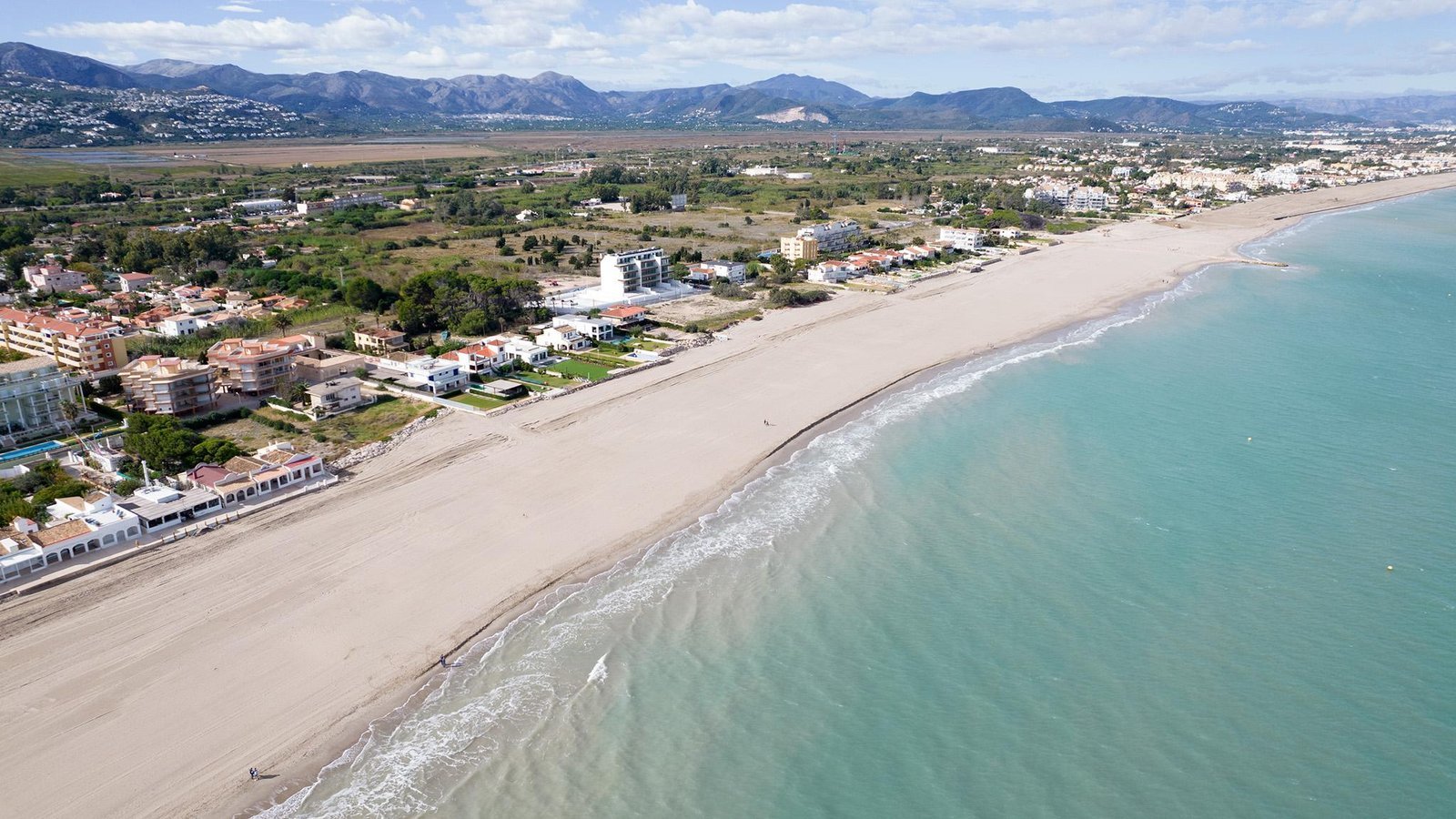
Les Marines
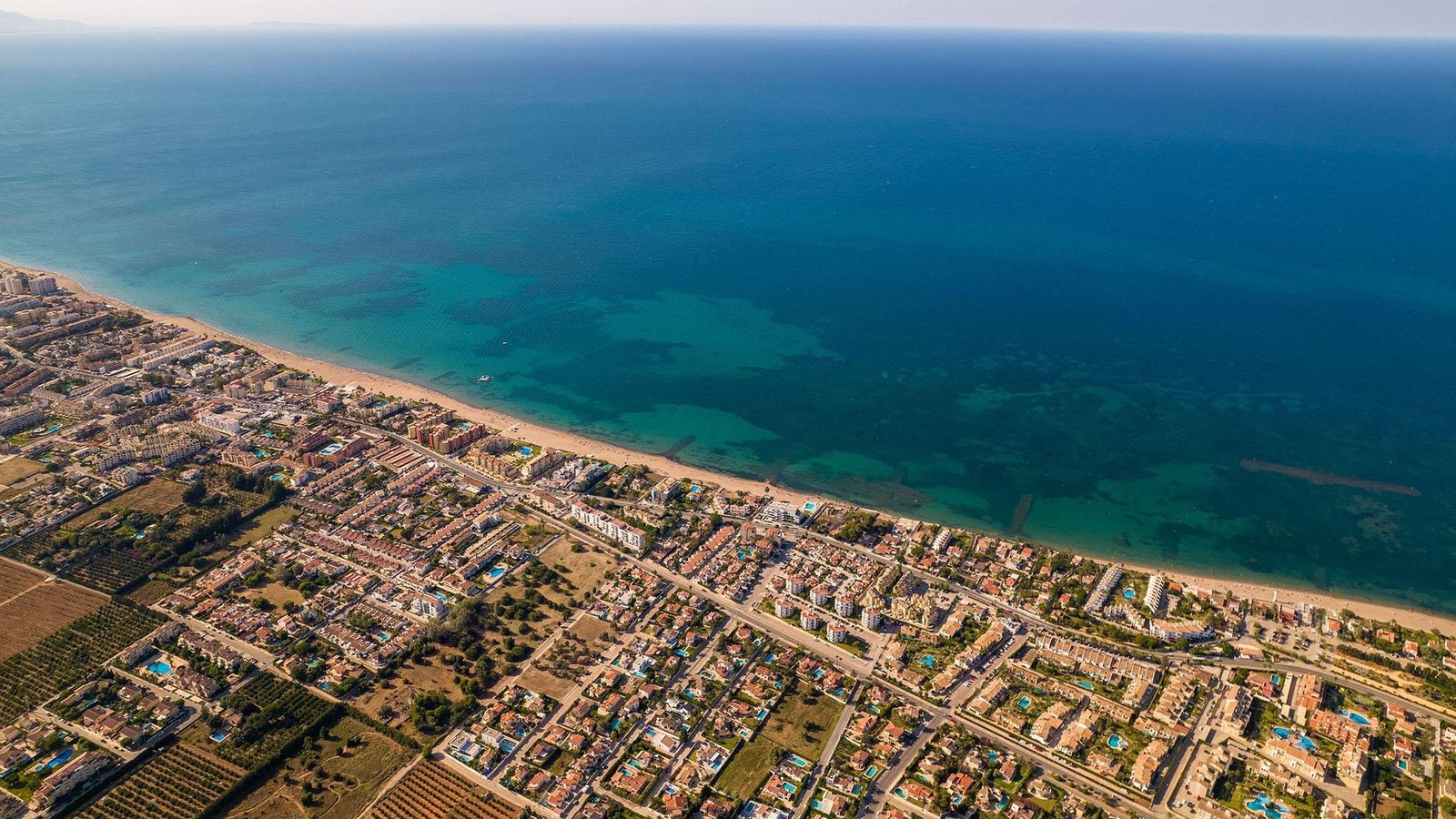
Kilometres of sandy beach north of town, with villas and apartment blocks. Busy in summer, very quiet in winter; a car or bike helps.
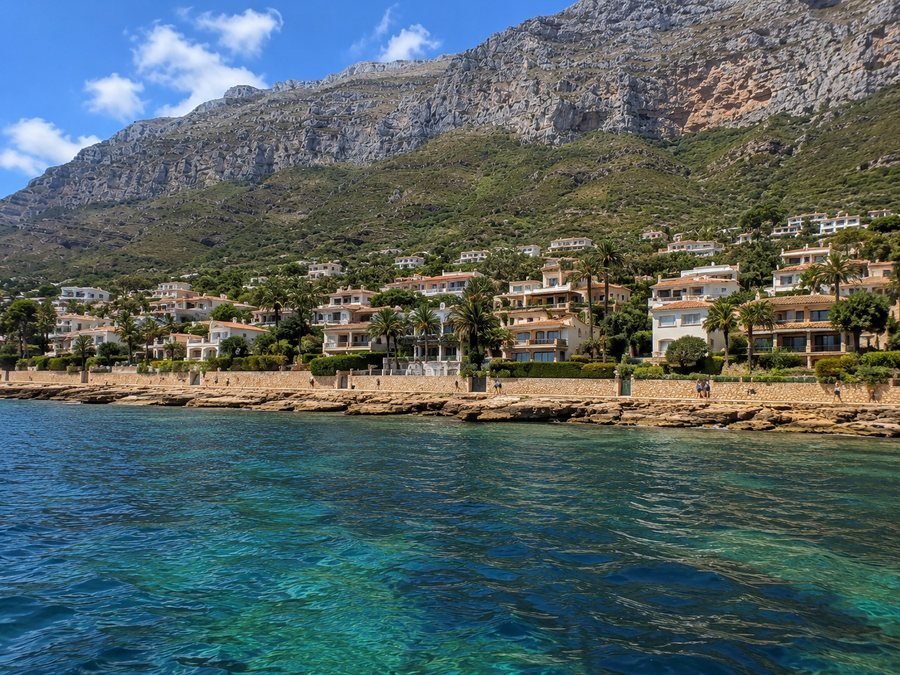
Les Rotes
The rocky coast south of the port, in a marine reserve. Villas, clear water and a seafront walk into town.

The Montgó slopes
Hillside urbanisations with views over the bay. Peaceful and green, but you will drive for most errands.
Summer and winter are two different towns
Visit in August before you decide where to live, and visit again in January. In summer, beach areas such as Les Marines are full and lively, traffic builds up and restaurants need booking. In winter many of the same streets are almost empty, some beach bars close, and life moves back to the centre and the old town.
People who live here all year often choose the centre, the old town or Baix la Mar for winter life, and enjoy the beaches when the crowds have gone.
Practical guides for living in Dénia
We are adding one guide at a time, each checked against official sources.
Getting to Dénia
Airports, motorway, buses, trains, the TRAM and the ferry, compared, plus an arrival-day checklist.
Read more
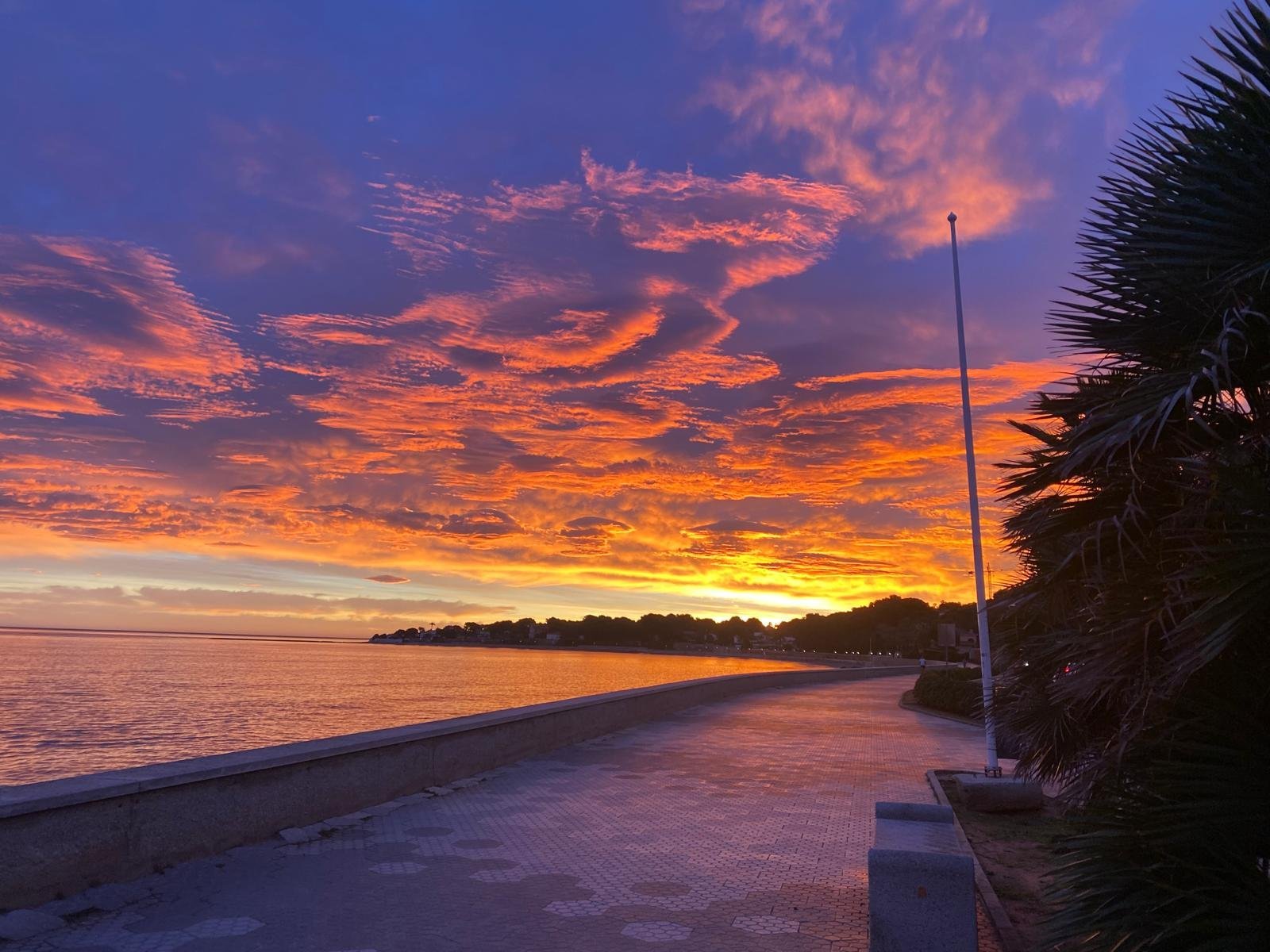
Getting around
Walking routes, bike lanes, the new BusDénia town buses, the TRAM, driving, parking and taxis.
Read more
Holiday rentals: licences and rules
Tourist licences, where Dénia limits new ones, and registering your guests.
Read more

Healthcare and schools
Public and private healthcare, the hospital, and state, international and bilingual schools.
Read more
Everyday life
Utilities, banks, internet, shopping, community groups and learning Spanish and Valencian.
Read more
Looking to buy or rent in Dénia?
Tell us what you need: buying or renting, budget, dates and the area you like. We’ll point you to people we trust.
Read the full story in the book
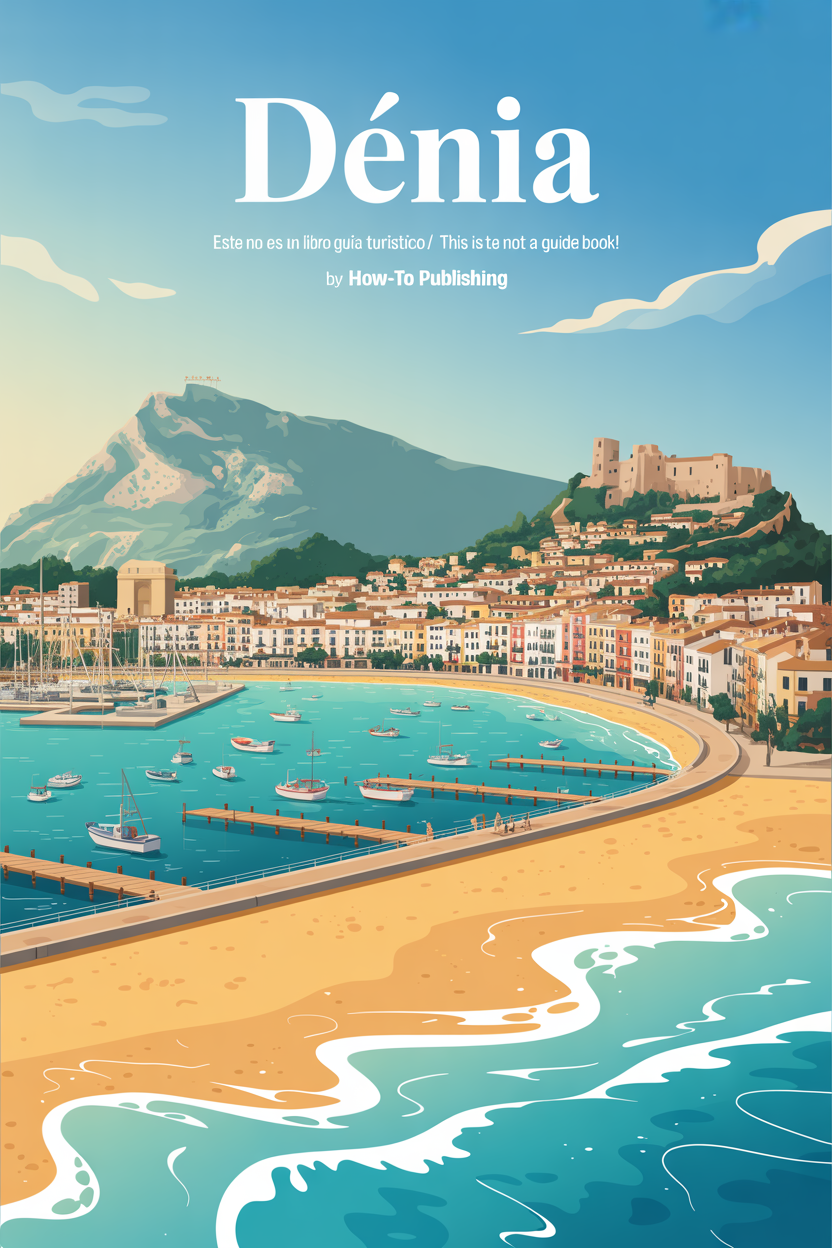
Dénia: A Bilingual Portrait of Place and Life goes deeper into the town’s history, neighbourhoods, food and festivals, in English and Spanish side by side.