
History of Dénia
Castle walls, old streets, port life and archaeological layers reveal a town shaped by many Mediterranean centuries.
The past is still visible here.
Dénia’s history is not hidden away. It appears in the castle above the port, the old street pattern, museum rooms, fragments of wall and the way the town still turns toward the sea.

Dénia rewards slower attention. The castle is not just a viewpoint; it is a way of reading the town. Streets, walls, excavations and museum rooms keep revealing how many lives have occupied the same small Mediterranean place.
To understand Dénia, begin with the Iberians, then follow the layers left by Romans, Muslims, Christians, merchants, fishermen and modern residents.
A town built in layers
Every period left something behind: routes, walls, place names, trade habits, religious buildings, defensive structures and stories that still shape the atmosphere of the old town.
Dénia is best understood as a town of overlapping lives, not as a single postcard view.
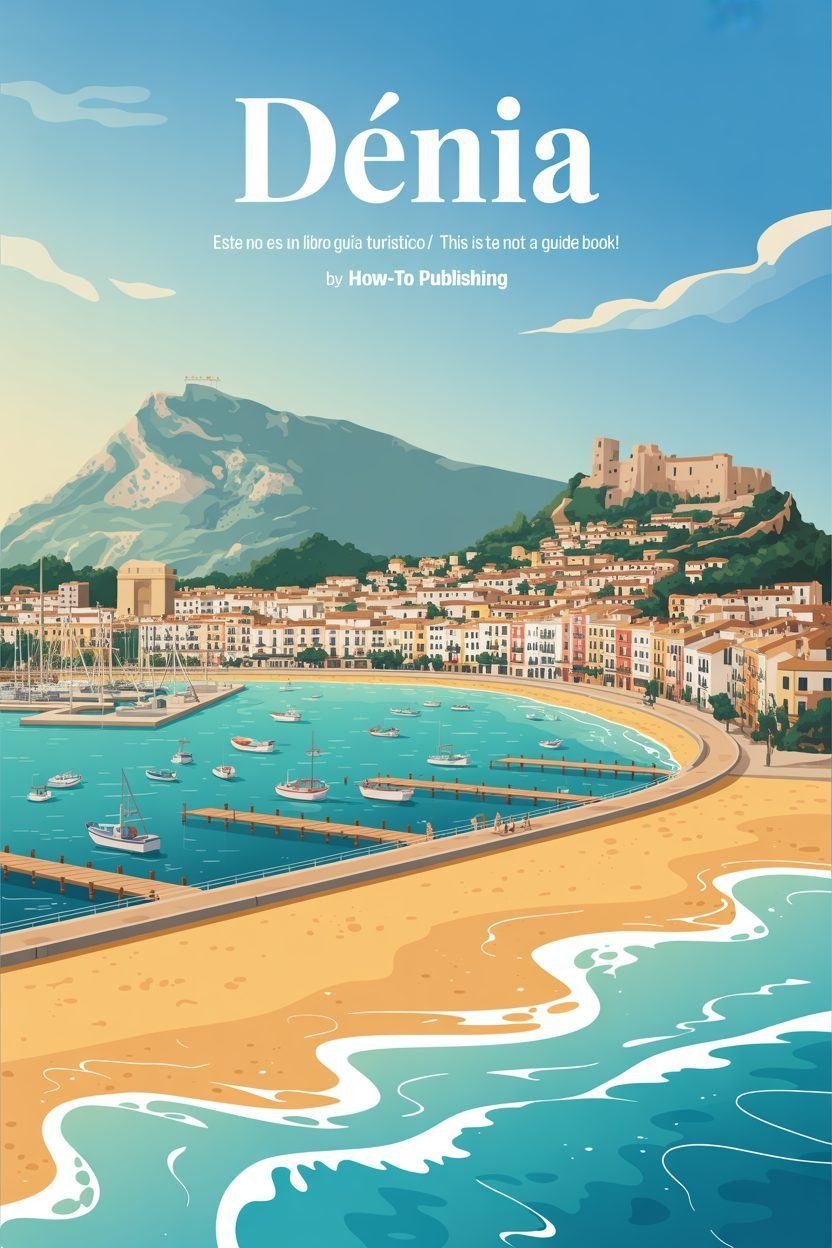
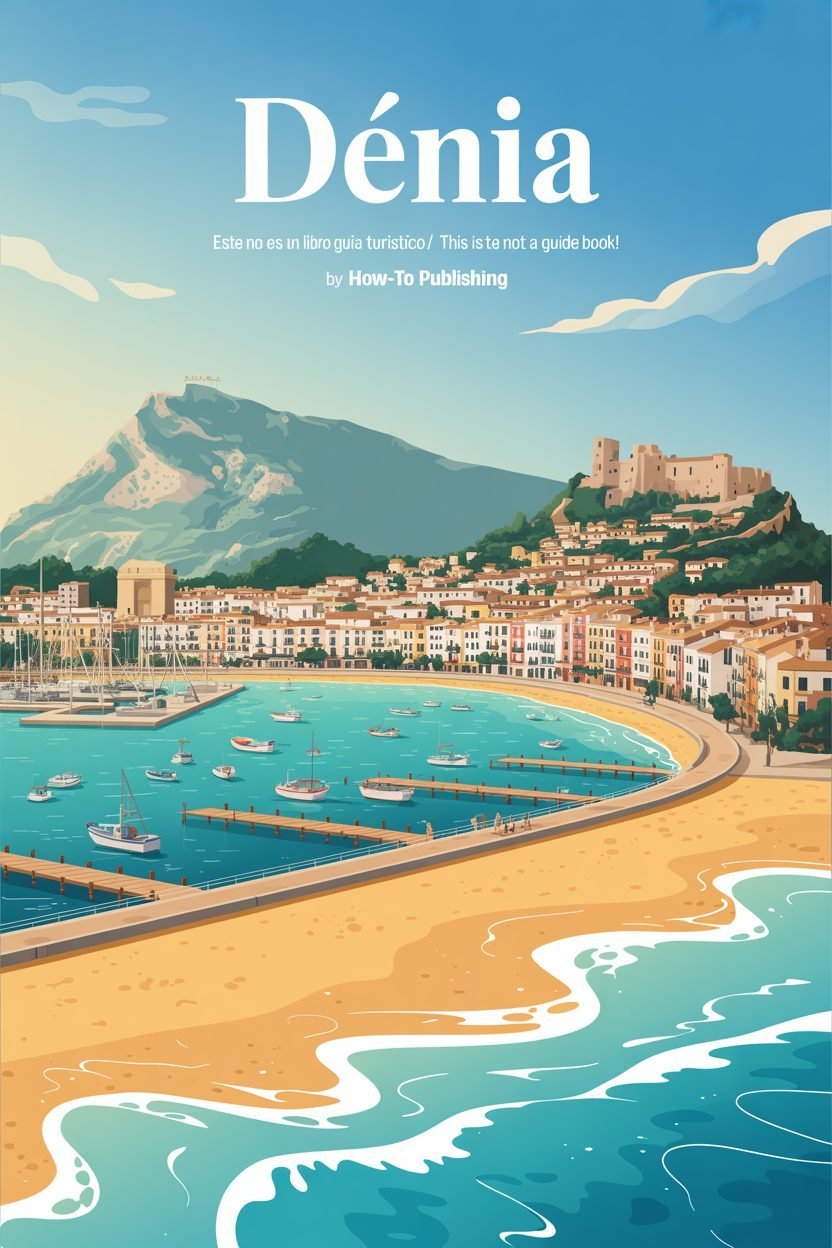
The castle gathers many of these layers into one place. From its walls you can read the geography: Montgó behind, the port below, the old town pressed between hill and sea.
Read the history beside the place.
The book gives space to the atmosphere behind the facts — the streets, views and local details that turn history into a lived place.
Related history links
Museums and Culture
Places where Dénia’s past is collected, explained and displayed.
Geography, Old Town and Castle
The physical setting behind Dénia’s history.
Festivals and Traditions
How local memory still appears in the town calendar.